The following posts are meant to get a beginner started with the process of understanding Kubernetes. They include basic level information to start understanding the concepts of the Kubernetes service and include both theory and examples.
To follow along with the series, a Kubernetes cluster should be deployed and admin permissions are needed to perform many of the steps. If you wish to follow along with each of the posts, a cluster with cloud provider integration may be needed. In some cases we need a Load Balancer and elastic storage options.
If you would like to follow along, there is a github project corresponding to this guide to save from copying and pasting code snippets.
Setup a Kubernetes Cluster - Pick 1 Option
Using Kubernetes
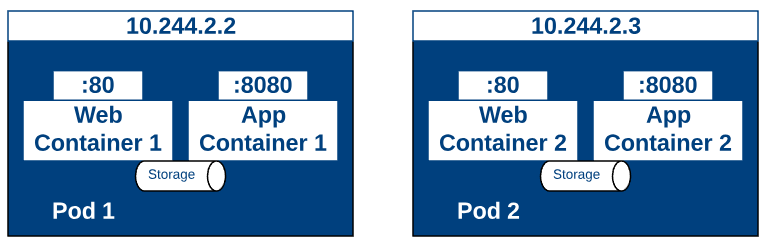
1. Pods
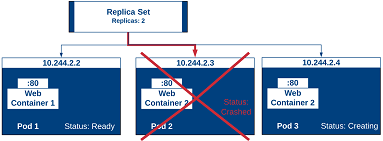
2. Replica Sets
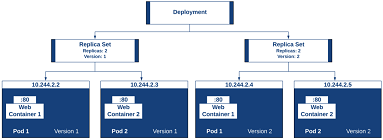
3. Deployments
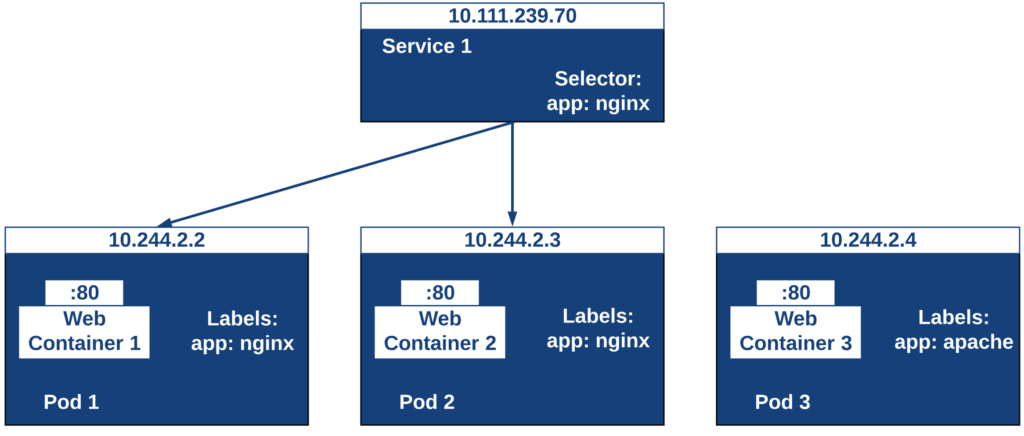
4. Services and Labels

5. Endpoints
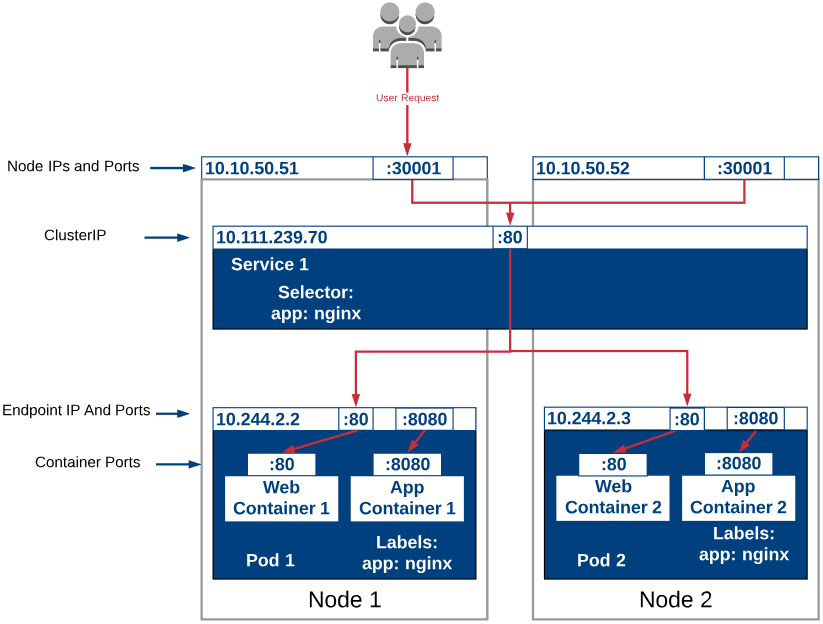
6. Service Publishing
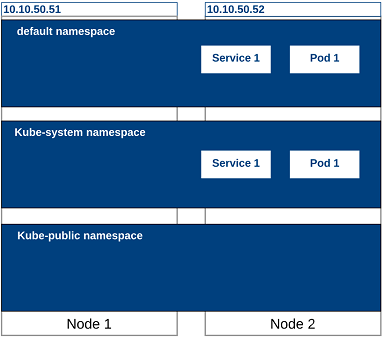
7. Namespaces
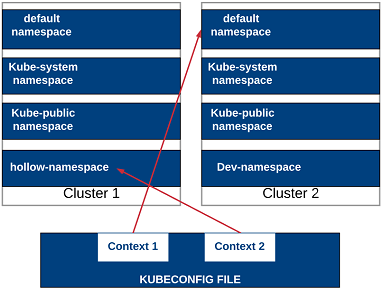
8. Context
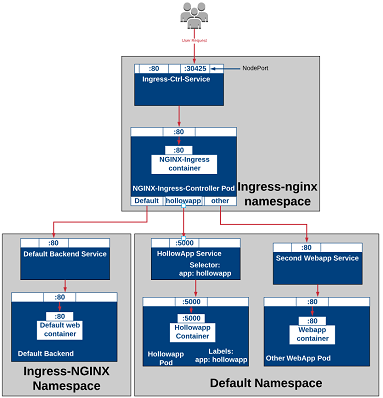
9. Ingress
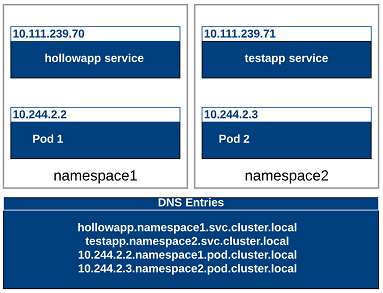
10. DNS
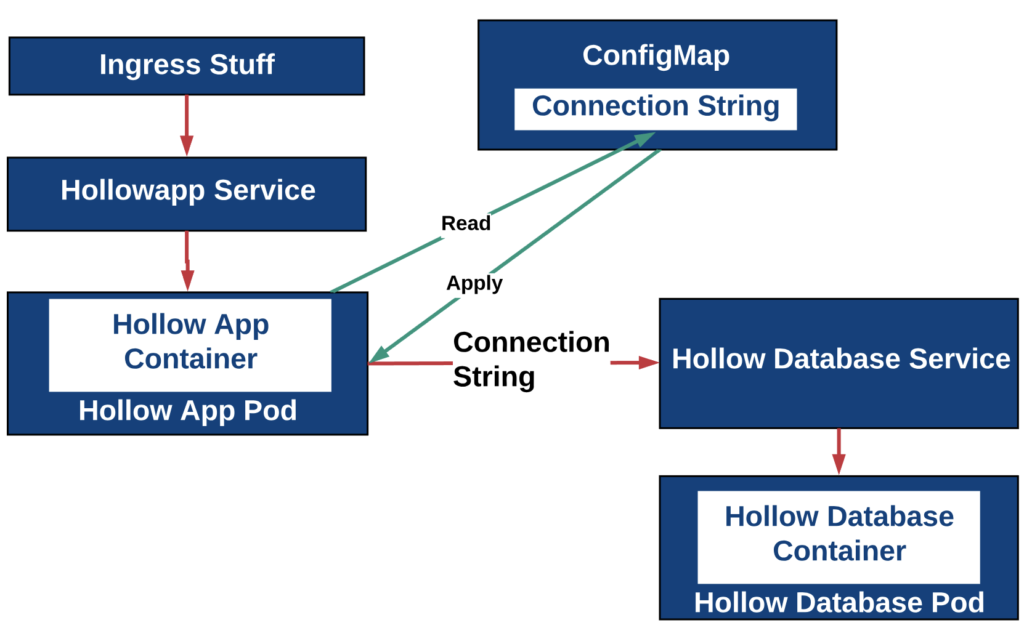
11. ConfigMaps
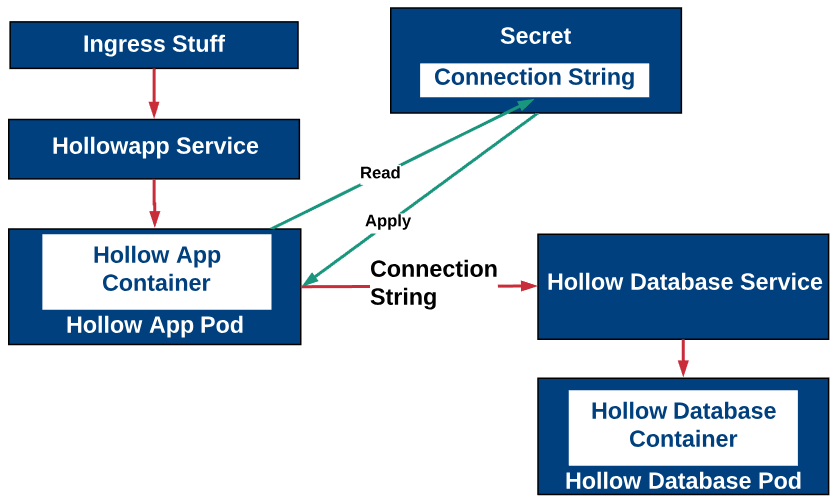
12. Secrets
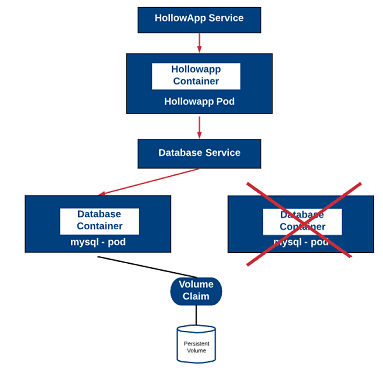
13. Persistent Volumes
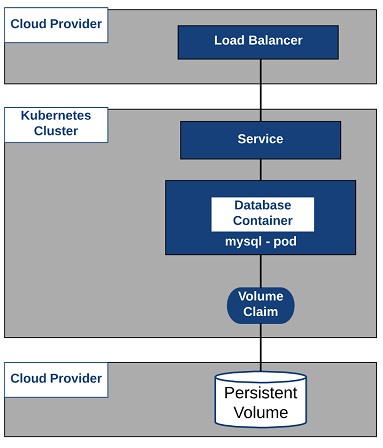
14. Cloud Providers and Storage Classes
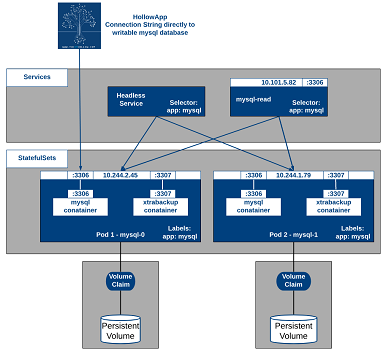
15. Stateful Sets
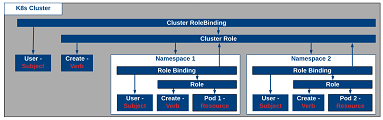
16. Role Based Access
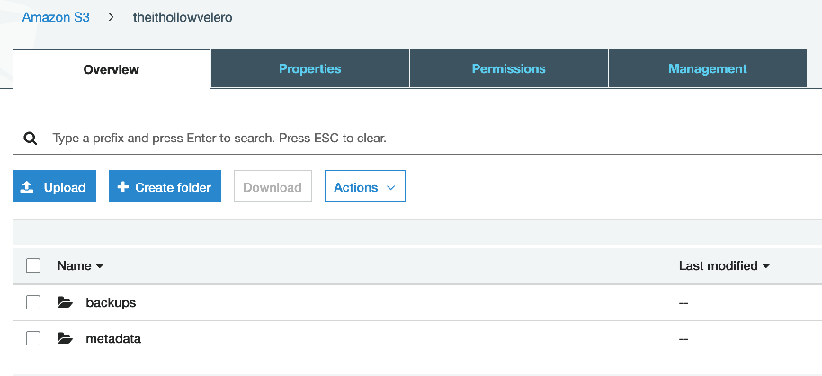
17. Pod Backups
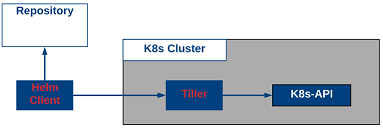
18. Helm Charts
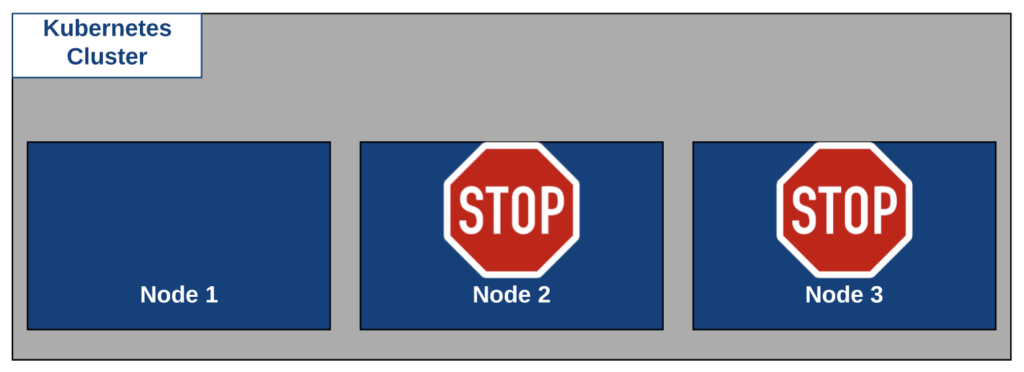
19. Taints and Tolerations

20. DaemonSets
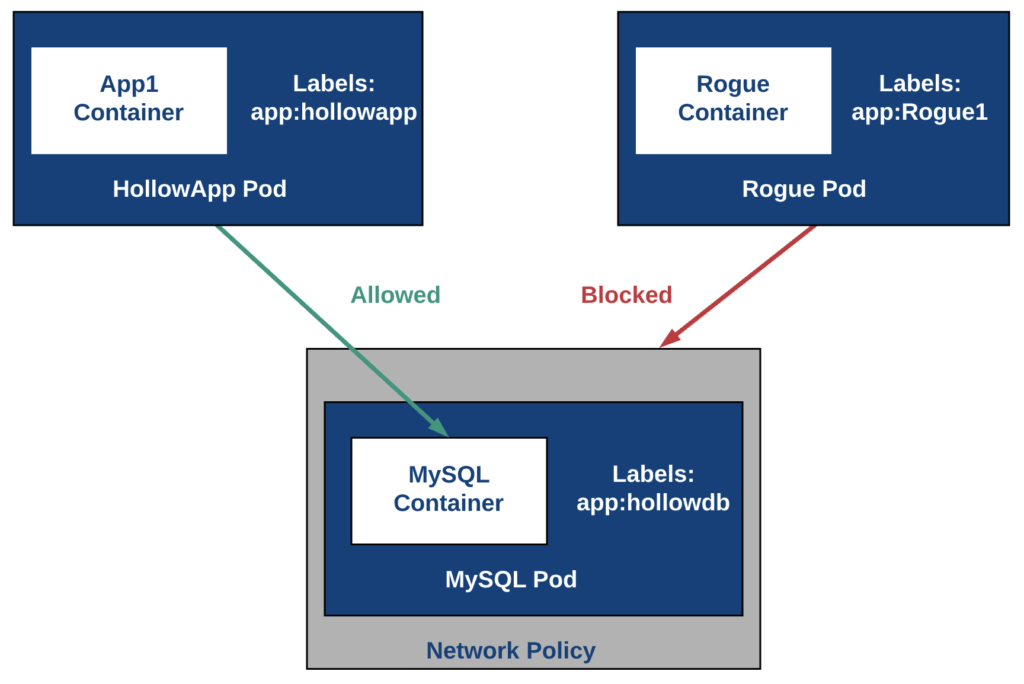
21. Network Policies
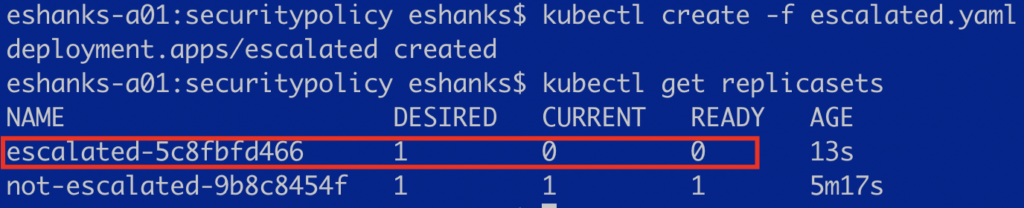
22. Pod Security Policies
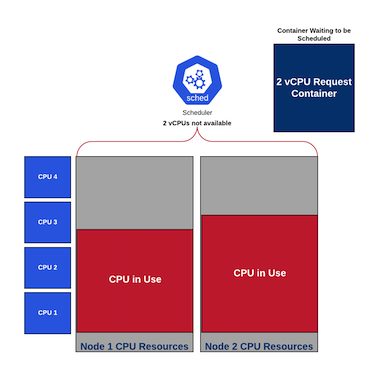
23. Resource Requests and Limits
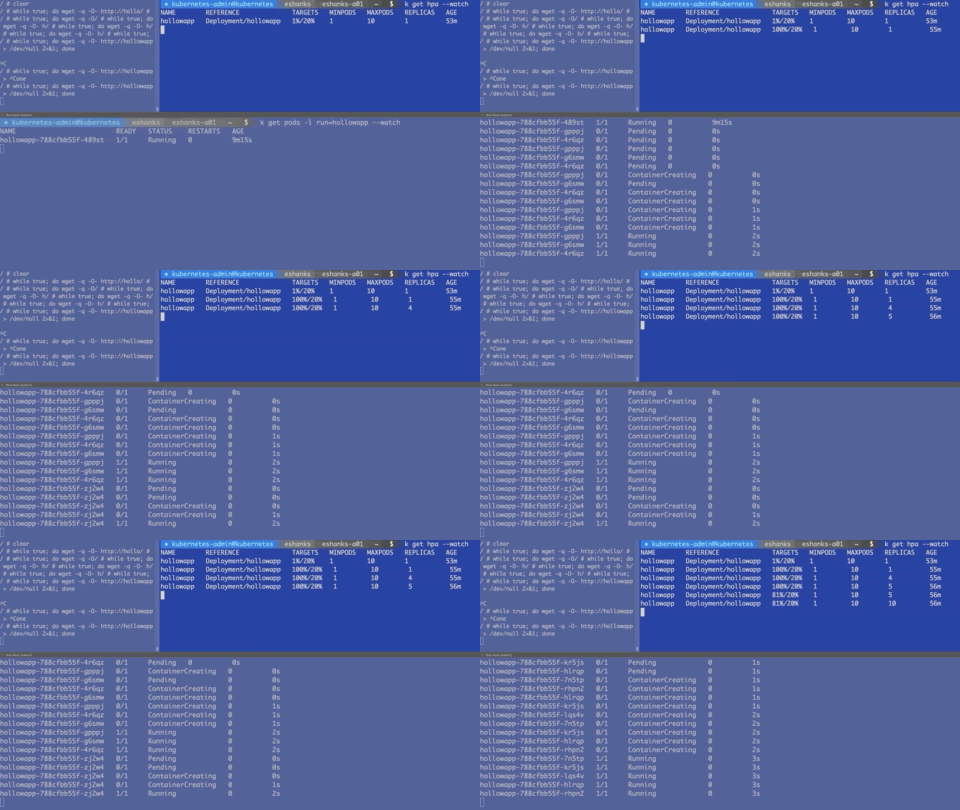
24. Pod Autoscaling
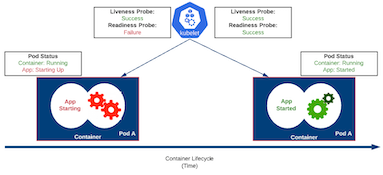
25. Liveness and Readiness Probes
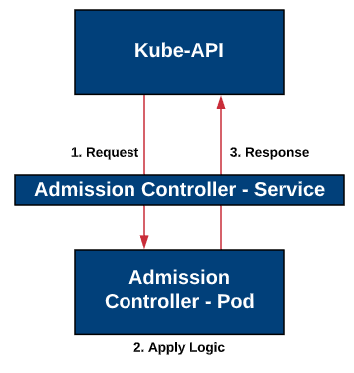
26. Validating Admission Controllers
